Israel Targets Lebanon's Largest Dam in Latest Violation of International Law
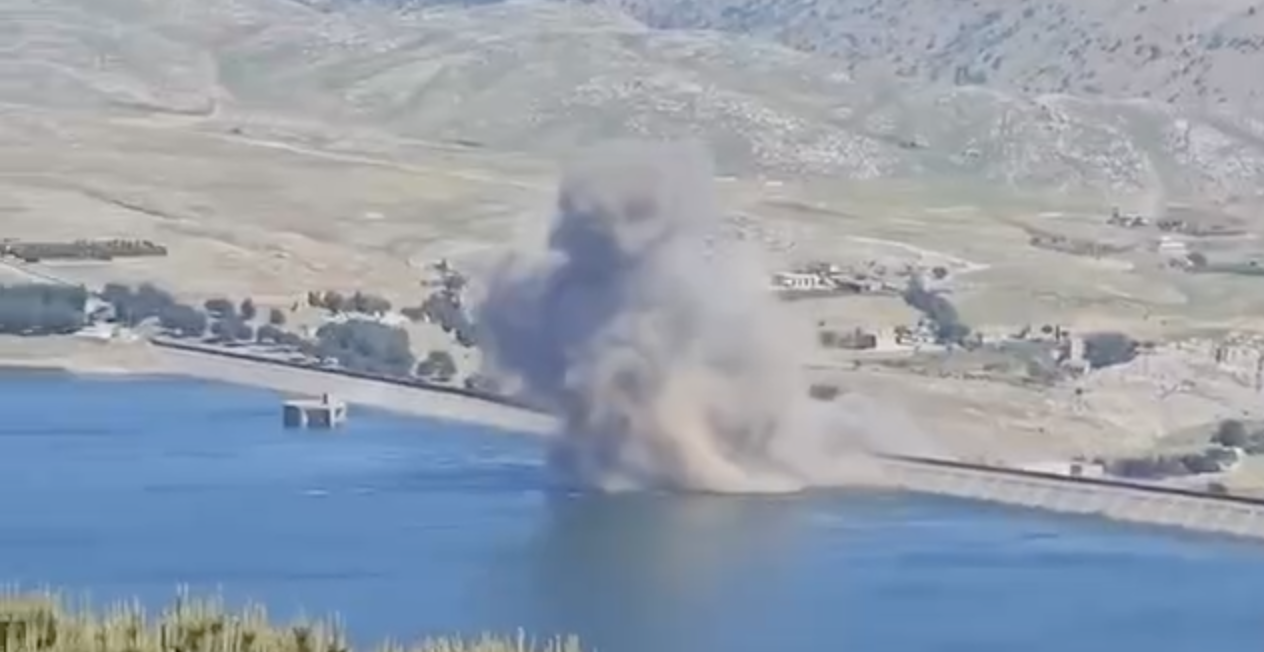
Israel struck the Qaraoun Dam in the Bekaa Valley today, the largest dam in Lebanon and the spine of the country’s hydroelectric supply. The Litani Water Authority says two strikes landed near the dam, the second roughly 500 metres from the first, sending stones and debris into the lake, and reported no direct damage to the structure.
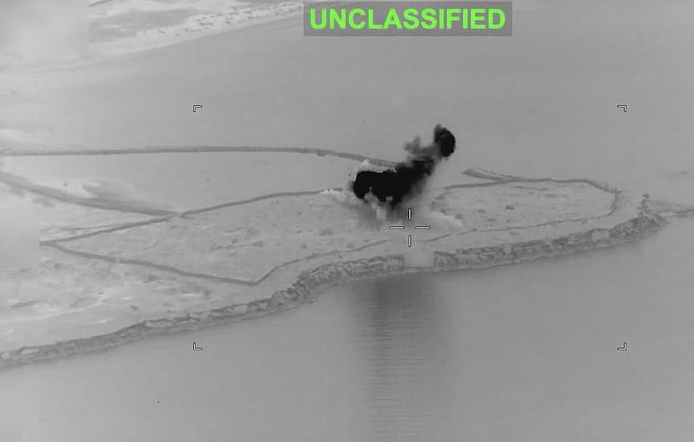
Footage circulating from the scene shows an impact detonating at the waterline against the dam itself. A strike against a 60-metre rockfill wall holding back 220 million cubic metres of water needs no interpreter. Lebanese authorities are now fighting to ban gatherings near the dam. It is currently unclear if the target was the dam or people around the dam, however, a ban on gatherings should lead to the question being answered sooner rather than later.
This is the dam that anchors three hydroelectric stations with a combined installed capacity of 190 megawatts, irrigation for 27,500 hectares, and domestic water supply across the south and the Bekaa.
The river has been coveted by Israeli planners for decades, and the control of the waterway has taken a prominent strategic role in Israel’s ongoing camping inside the country.
Israel’s own finance minister has suggested the northern boundary should be redrawn along the river outright. To strike the structure that turns that water into light and bread is not a stray round. It is a demonstration.
We have watched this campaign work methodically through Lebanon’s civilian arteries. Israel ordered the destruction of every crossing over the Litani and struck the main bridge linking the south to the rest of the country; treatment of Litani water at the Taybeh plant has ceased.
International law generally prohibits attacks on civilian infrastructure, and the UN human rights chief has criticised the evacuation orders that have displaced more than a million people. International humanitarian law goes further still on dams, treating them as works containing dangerous forces precisely because a breached wall drowns the valley below it. The regime knows this. The strikes landed anyway, beside the water, beside the people, beside the warning.
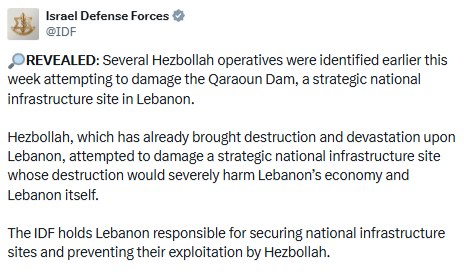
Two days after the strike, the Israeli military responded to the attack, with the unsupported claim that Hezbollah members had been present in the dam. Without evidence, and with such a long gap between the attack and the accepting of responsibility, we cannot in good faith suggest anyone believes this.